

The Level of Waste in Council Construction Costs Is Unsustainable
- Mark Pervan
- Apr 30
- 4 min read
Construction projects led by councils in Auckland have long been a topic of public interest. Yet, the rising costs and apparent waste in these projects are reaching levels that cannot be ignored. The financial burden on ratepayers and the impact on urban development demand a closer look at where money is being lost and how this trend can be reversed.
Waste in council construction costs is not just about overspending. It affects the quality, timeliness, and sustainability of projects that shape our city’s future. This post explores the causes of waste, its consequences, and practical ways to improve efficiency, including examples of services that can help councils manage costs better.
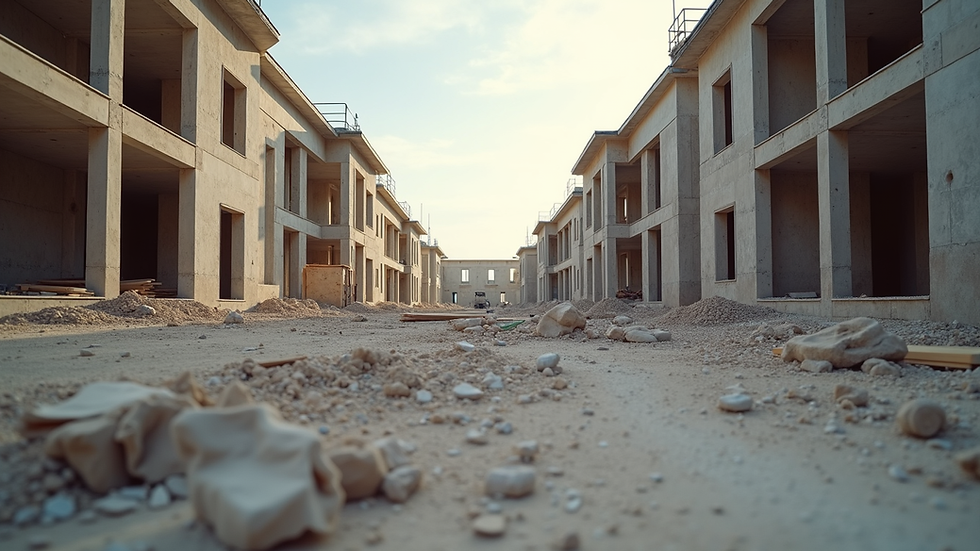
Why Waste in Council Construction Costs Is a Growing Concern
Councils manage many construction projects, from roads and parks to community centres and housing. These projects are essential for Auckland’s growth but often come with inflated budgets and delays. Waste in this context means spending more than necessary on materials, labour, or management without adding value.
Several factors contribute to this waste:
Poor project planning: Incomplete or inaccurate initial plans lead to changes during construction, increasing costs.
Inefficient procurement: Lack of competitive tendering or favouring certain suppliers can inflate prices.
Over-specification: Using materials or designs that exceed actual needs raises expenses unnecessarily.
Delays and rework: Weather, mismanagement, or errors cause projects to take longer and require fixes.
Lack of transparency: Without clear reporting, it’s hard to track where money is wasted.
For example, a recent council road upgrade in Auckland went over budget by 30% due to unexpected design changes and poor contract management. This is not an isolated case but part of a pattern seen across multiple projects.
The Impact of Waste on Auckland’s Urban Development
Wasteful spending in council construction has several negative effects on the city and its residents:
Higher rates for residents: When projects cost more, councils often pass the expense to ratepayers.
Delayed infrastructure delivery: Waste can slow down projects, delaying benefits like improved transport or housing.
Reduced scope for future projects: Overspending on one project leaves less funding for others.
Lower public trust: Visible waste erodes confidence in council management and decision-making.
These impacts hinder Auckland’s ability to grow sustainably and meet the needs of its population. Efficient use of funds is critical to building a city that works for everyone.
How Technology and Services Can Help Reduce Waste
Addressing waste requires better tools and processes. One example is the use of construction project management software that improves planning, tracking, and communication. A product like BuildSmart Pro offers features such as real-time budget monitoring, supplier comparison, and automated reporting. This helps councils spot cost overruns early and make informed decisions.
Another useful service is sustainable materials consulting. Firms like EcoBuild Advisors specialise in recommending cost-effective, environmentally friendly materials that meet project needs without overspending. Their expertise can prevent over-specification and reduce waste.
Finally, independent audit services provide an objective review of project costs and management. Companies such as ClearCost Audits analyse contracts, procurement, and spending patterns to identify inefficiencies and suggest improvements.
These services are not just theoretical. Councils that have adopted such tools report better budget control and fewer delays. For instance, a mid-sized Auckland council reduced its construction cost overruns by 15% after implementing BuildSmart Pro and engaging EcoBuild Advisors.

Practical Steps for Councils to Cut Waste
Councils can take several practical steps to reduce waste in construction costs:
Improve upfront planning: Invest time and resources in detailed project design and risk assessment.
Use competitive procurement: Open tenders encourage fair pricing and better supplier options.
Adopt technology: Use project management software to track costs and progress in real time.
Engage experts: Bring in consultants for sustainable materials and independent audits.
Increase transparency: Publish clear reports on project budgets and spending.
Train staff: Equip project managers with skills in cost control and contract management.
By following these steps, councils can avoid common pitfalls that lead to waste. This approach also aligns with the goal of fostering better decision-making and public understanding of complex city-building issues.
The Role of Auckland Residents and Policymakers
Residents and policymakers have a role in demanding accountability and supporting reforms. Public scrutiny encourages councils to manage funds responsibly. Policymakers can set standards for procurement and reporting that reduce opportunities for waste.
Community involvement in project planning can also help ensure that projects meet real needs without unnecessary extras. This collaborative approach strengthens trust and leads to better outcomes.

Moving Towards Sustainable Construction Costs
The current level of waste in council construction costs is unsustainable. It threatens Auckland’s growth and places an unfair burden on residents. However, by adopting better planning, technology, and expert advice, councils can improve efficiency and deliver projects on time and within budget.
The City Builders Association Limited supports these efforts by providing a platform for informed discussions and evidence-based solutions. Together, we can shape a thriving future for Auckland with construction projects that are both cost-effective and high quality.
If you want to learn more about tools like BuildSmart Pro, EcoBuild Advisors, or ClearCost Audits, visit their websites:
Taking action now will help ensure that council construction projects serve the community well without wasting valuable resources. It’s time to build smarter and more sustainably.

Comments